
Stainless Steel 304 and 316 are two of the most popular types of stainless steel today. In reality, stainless steel 316 is much better in many aspects, but it cannot always completely replace 304. So, for which products should 304 be used, and for which products is 316 better? The article below will provide a detailed comparison and help you choose the most suitable type of stainless steel.
WHAT IS STAINLESS STEEL 304?
Stainless steel grade 304 is a type of stainless steel with the main composition including Fe, C ~ 0.08%, Cr from 17.5-20%, Nickel from 8-11%, Mn <2%, Si <1%, P <0.045%, S <0.03%. Thanks to the high content of Chromium and Nickel, it provides good corrosion resistance, high durability, and maintains a shiny surface.
TYPES OF STAINLESS STEEL 304
Based on carbon content, standard SS304 is divided into the following main types:
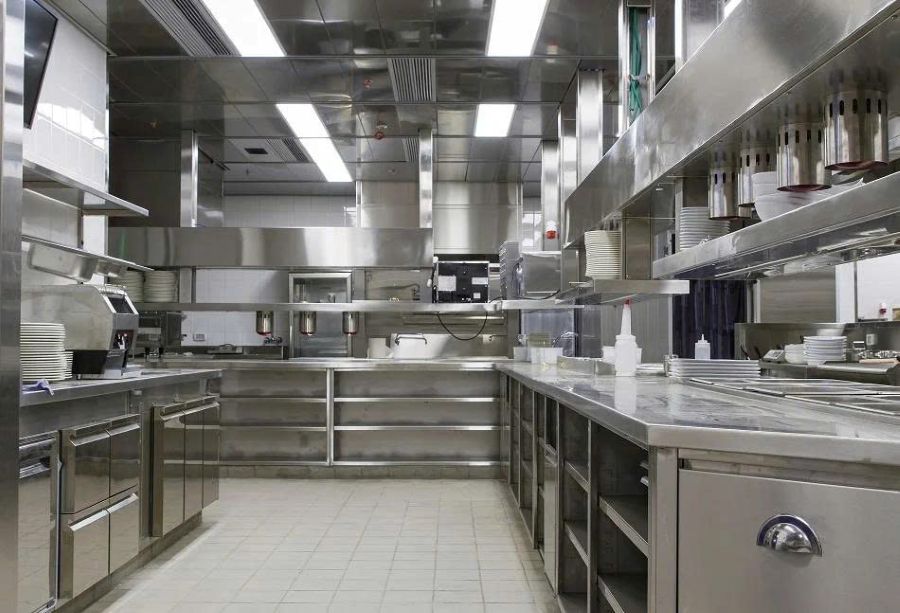
- SS304: The standard type, mainly used in the food industry such as industrial food tanks, kitchen equipment, …
- SS304L (Low): Low carbon content (≤0.03%), which helps maintain the Chromium protective layer in the weld area, making it suitable for fabricating complex products such as storage tanks, piping systems, equipment for food processing, pharmaceuticals, chemicals, and medical applications.
- SS304H (High): High carbon content (0.04–0.10%), which increases hardness and load-bearing capacity at high temperatures. Therefore, it is suitable for products that need to withstand heat, such as boilers, hot steam pipes, equipment in thermal power plants, …
ADVANTAGES OF STAINLESS STEEL 304
Good corrosion resistance in acidic environments
This is the most prominent advantage of SS304. The high content of Chromium and Nickel creates a passive oxide film on the surface to protect the steel from oxidation and limit corrosion and rust.
By overcoming the biggest drawback of regular steel, SS304 offers high durability and reduces replacement costs when damaged.
Easy to fabricate and form
SS304 has standard ductility, good strength and heat resistance, making it easy to apply various stainless steel fabrication methods and create diverse shapes. At the same time, SS304 is compatible with many current welding methods (TIG welding, MIG welding, laser welding, spot welding), allowing the creation of many different fabricated products without limitations.
Easy to clean
The surface of SS304 is very shiny and smooth, resists dust adhesion, and can be easily cleaned with a soft cloth. SS304 also has high aesthetic value thanks to its bright and beautiful surface, making it very suitable for areas that require high visual appeal.
Good price
Compared to SS316, SS304 costs 20-40% less but can still meet 70-80% of the usage needs of SS316. For projects in normal environments or those with low-frequency exposure to seawater or marine environments, using SS304 is the most optimal choice in terms of both durability and investment cost.
WHAT IS STAINLESS STEEL 316?
Stainless steel 316 is an Austenitic stainless steel grade with Chromium content of 16–18%, Nickel 10–14%, and Molybdenum 2–3%. This is the biggest difference compared to SS304 (which has no Molybdenum or only a very small amount). The Molybdenum content helps SS316 significantly improve resistance to pitting corrosion and crevice corrosion, making it very optimal in salty and chemical-rich environments.
TYPES OF STAINLESS STEEL 316
Similar to SS304, SS316 is also divided into types based on carbon content:
- SS316: The standard type, containing about 16–18% Chromium (Cr), 10–14% Nickel (Ni), and 2–3% Molybdenum (Mo).
- SS316L (Low): Stainless steel grade with carbon content not exceeding 0.03%. This helps reduce the risk of chromium carbide formation during welding, making it optimal for structures with many welds.
- SS316H (High): Stainless steel grade with high carbon content (0.04 – 0.10%), which helps increase durability and better load-bearing capacity.
ADVANTAGES OF STAINLESS STEEL 316
Extremely good corrosion resistance and long service life
This is the stainless steel type with the best corrosion and rust resistance thanks to the 2–3% Molybdenum (Mo) content. This component comprehensively prevents pitting corrosion, crevice corrosion, and corrosion in environments containing chloride ions or mild chemical environments.
Good heat resistance
SS316 can withstand high temperatures for long periods (870°C – 925°C) without deformation or loss of quality.
Shiny surface and low maintenance
Thanks to the high content of Chromium and Nickel, the surface of SS316 always remains bright and shiny, keeping stainless steel components and items aesthetically pleasing and easy to clean.
DETAILED COMPARISON OF STAINLESS STEEL 304 VS 316
| Criteria | SS304 | SS316 |
| Composition | 18–20% Chromium (Cr), 8–10.5% Nickel (Ni) | 16–18% Chromium (Cr), 10–14% Nickel (Ni), 2–3% Molybdenum (Mo) |
| Corrosion resistance | Good in indoor and normal outdoor environments | Excellent in salty, coastal, chemical, or high-temperature environments |
| Hardness | Equivalent | Equivalent |
| Average lifespan | 20-40 years (depending on environmental conditions) | 20 – 60 years (especially in harsh environments) |
| Investment cost | Lower than SS316 | Higher, about 20 – 40% depending on market conditions |
| Suitable applications | Kitchen equipment, food industry equipment, railings, outdoor stairs | Food industry equipment, medical, outdoor railings, coastal projects |
BETWEEN STAINLESS STEEL 304 AND 316, WHICH ONE SHOULD YOU CHOOSE?
Both SS304 and SS316 have quite good corrosion resistance, but they cannot always replace each other. Choosing the wrong type will cause significant waste of time and cost.
Choose Stainless Steel 304 when:
- The product is used in indoor or normal dry outdoor environments.
- It does not come into direct contact with seawater, chemicals, or areas with high chloride levels.
- The product requires welding, polishing, and many fabrication steps.
- You need to optimize costs while still ensuring good corrosion resistance.
Choose Stainless Steel 316 when:
- The product is used in coastal or offshore areas, with frequent contact with seawater or environments containing high levels of chloride ions.
- The product is used in the chemical, medical, or pharmaceutical industries.
- The product needs long-term use and reduced long-term maintenance costs.
Overall, stainless steel 316 is better than stainless steel 304; however, suitability and cost optimization for each type must be considered. Hopefully, the information above will help you choose the right type for your product.
Are you looking for a stainless steel fabricator in Vietnam? Newinds offers custom-fabricated buildings that meet international standards.
Contact Newinds:
- Email: sales@newindscorp.com
- Phone/Whatsapp/Zalo: Ann Yen +84 344 644 077