
Explore and differentiate various types of CNC machining in this article to choose the right method for optimal metal processing efficiency.
WHAT IS CNC MACHINING?
CNC machining (Computer Numerical Control) is a manufacturing process that produces machining parts and components with specific technical specifications and dimensions using computer-controlled operations such as drilling, milling, turning, and grinding. CNC machines enable high-precision and efficient production through pre-programmed instructions.
TYPES OF CNC MACHINING
-
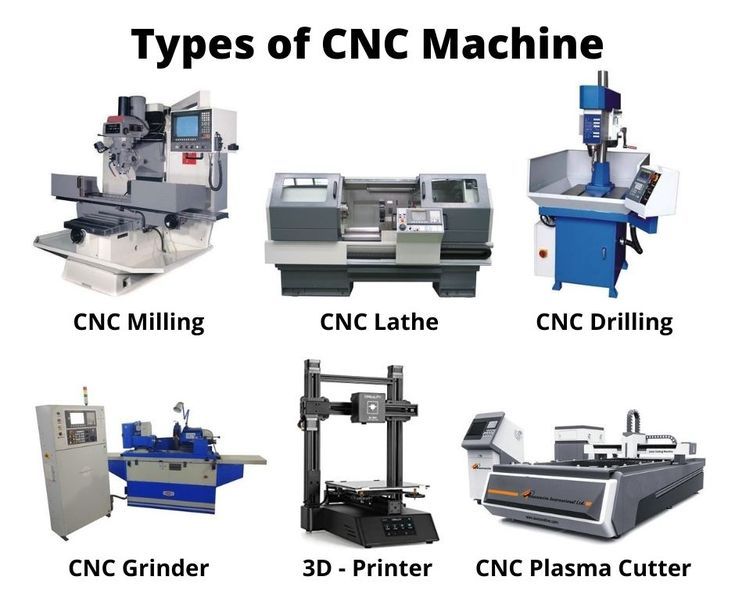
CNC Milling
This process uses a rotating cutting tool to remove material from a workpiece, creating flat surfaces, beveled edges, or complex shapes. CNC milling is ideal for manufacturing mechanical parts with high precision.
-
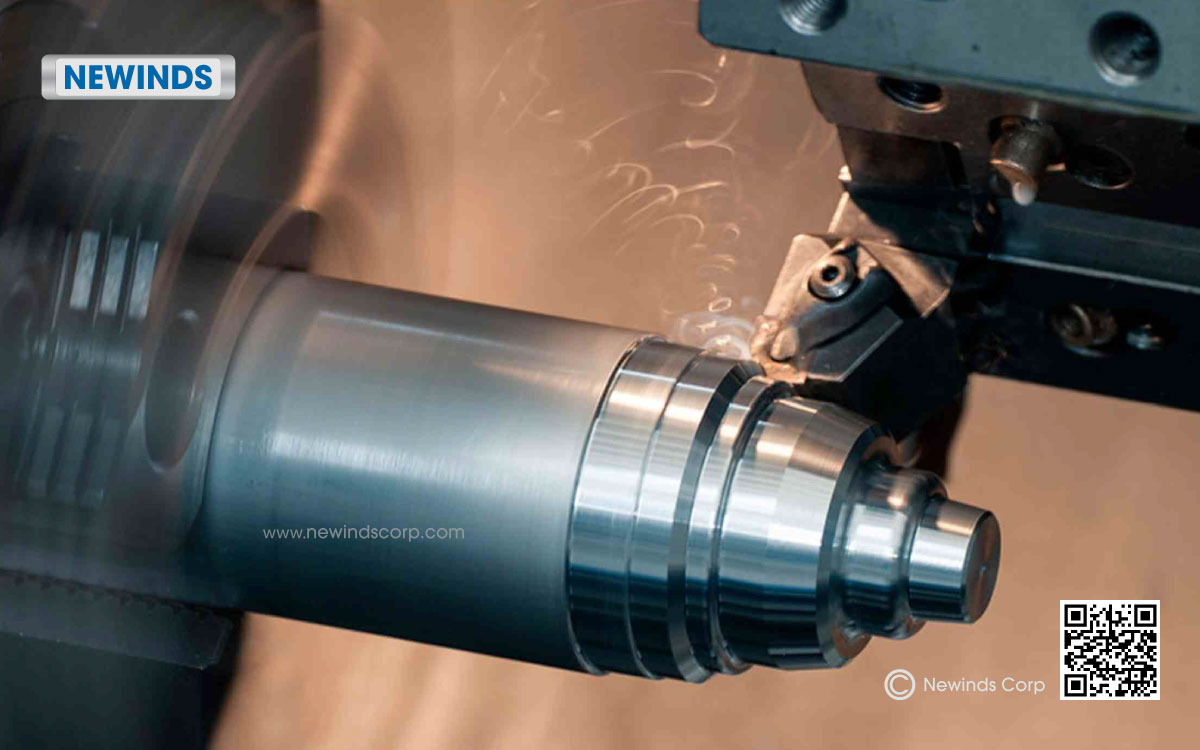
CNC Turning
This method involves rotating the workpiece against a cutting tool to create cylindrical components such as shafts, tubes, or other symmetrical parts. CNC turning ensures precise production of round-shaped components.
-
CNC Drilling
CNC drilling machines create holes in a material’s surface with high accuracy and efficiency. They are well-suited for mass production drilling as they allow precise depth and positioning adjustments.
-
CNC Grinding:
This process uses an abrasive wheel to refine and smooth surfaces, achieving a polished, sharp finish. CNC grinding is commonly used for high-precision surface finishing of intricate parts.
-
CNC Electrical Discharge Machining (EDM)
EDM utilizes electrical sparks to remove excess material from a workpiece, making it ideal for machining complex shapes or hard materials that traditional mechanical methods cannot process effectively.
APPLICATIONS OF CNC MACHINING
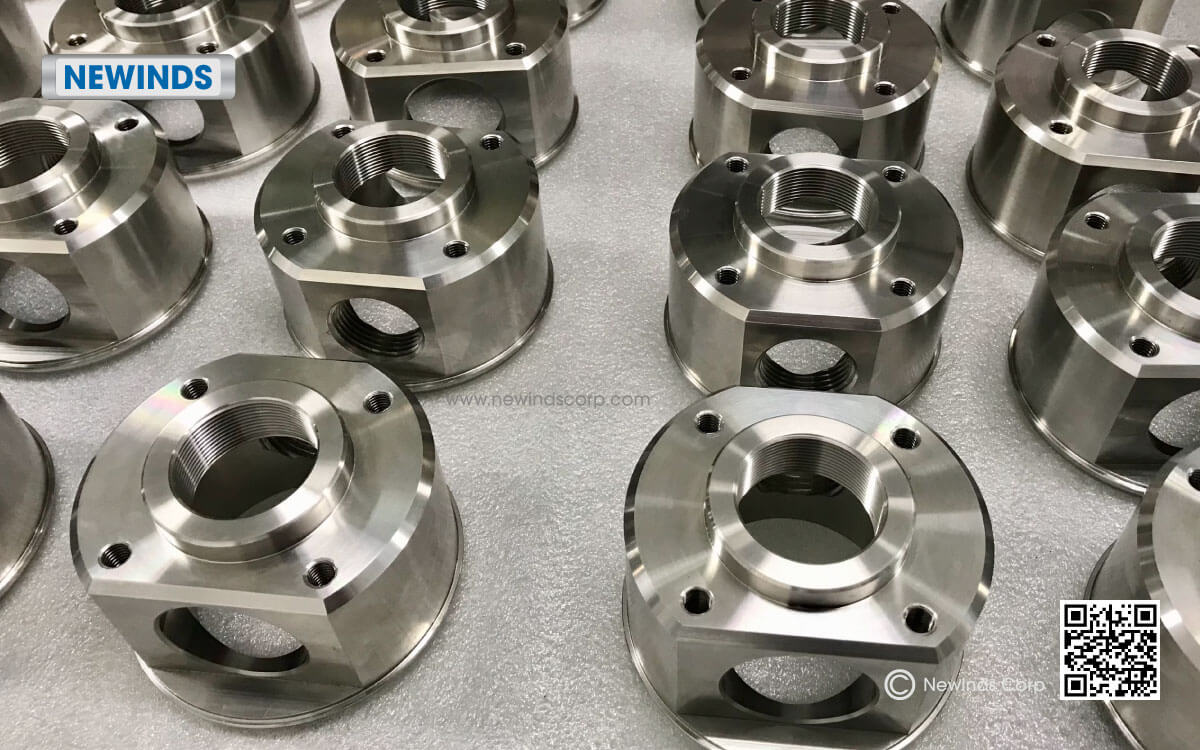
Thanks to its versatility, high precision, and ability to produce complex parts, CNC machining is widely applied across various industries, including the fabrication of steel products.
- Part Manufacturing
- Carving and Decoration
- Mold Manufacturing
- Part Finishing
- Automotive Industries
- Aerospace Industries
- Medical Industry
- Electronics Industry
- Military and Defense Industry
- Oil and Gas Industry
COMPARISON BETWEEN CNC MACHINING AND TRADITIONAL MACHINING METHODS
| Key Factors | CNC Machining | Traditional Machining |
| Accuracy | High precision with tight tolerances (±0.01 mm or better) | Dependent on operator skill |
| Complex shape capability | Easily produces complex geometries | Difficult and more error-prone |
| Machining speed | Fast and stable | Slower, requires more manual operations |
| Skill requirements | Requires CNC programming and machine operation skills | Requires high-level manual machining skills |
| Initial investment cost | High | Low |
| Workplace safety | High, with minimal direct contact | Higher risk due to manual handling |
| Repeatability | Identical and consistent parts | Prone to variations |
MAIN COMPONENTS OF A CNC MACHINE
- Machine frame & bed
- Spindle
- Axis motion system
- Cutting tools & tool holders
- Worktable & fixtures
- CNC control system
- Coolant & lubrication system
- Electrical system & sensors
If you need a high-quality metal fabricator offering tailored metal solutions that meet international standards.
Contact Newinds:
- Email: sales@newindscorp.com
- Phone/Whatsapp/Zalo: Ann Yen +84 344 644 077