
Powder coating is widely used on everyday items in various colors and shapes. The powder coated layer can maintain its durability for up to 20 years, but in harsh environments or without proper maintenance, this lifespan may be significantly shorter. Below are the top tips to keep powder coated surfaces looking beautiful, free from scratches or early corrosion.
WHAT IS POWDER COATING?
Powder coating, also known as dry paint or powder paint, is a method of applying dry powder paint (positively charged) onto a metal surface (negatively charged) to create a strong bond between the coating and the substrate.
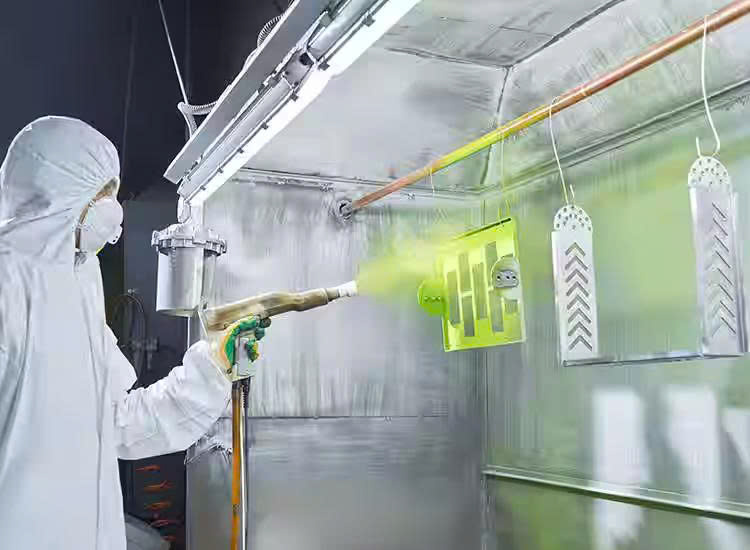
The main components of powder coating include:
- Organic polymer compounds: epoxy, polyester, epoxy-polyester hybrids
- Pigments: inorganic and organic colorants
- Curing agents
- Additives: anti-sag agents, dispersants, flow modifiers, anti-static agents, UV stabilizers
- Fillers
Advantages of Powder Coating
- High durability with excellent resistance to scratches and minimal chipping
- Superior corrosion and rust resistance
- Highly aesthetic finish with a wide range of color options
- Environmentally friendly, as it contains no organic solvents and produces low levels of harmful emissions
- Material-efficient: fast application, minimal waste, and high powder recovery rates to reduce material loss
Disadvantages of Powder Coating
- High initial investment costs due to the need for spray booths, powder recovery systems, and curing ovens. For small-scale operations or low-volume orders, outsourcing to professional coaters is often more cost-effective.
- Only suitable for heat-resistant materials such as steel, aluminum, and stainless steel. It cannot be applied to wood, plastic, rubber, or heat-sensitive materials that may deform.
- Difficult to repair or touch up; even small scratches often require sanding and full recoating of the entire part.
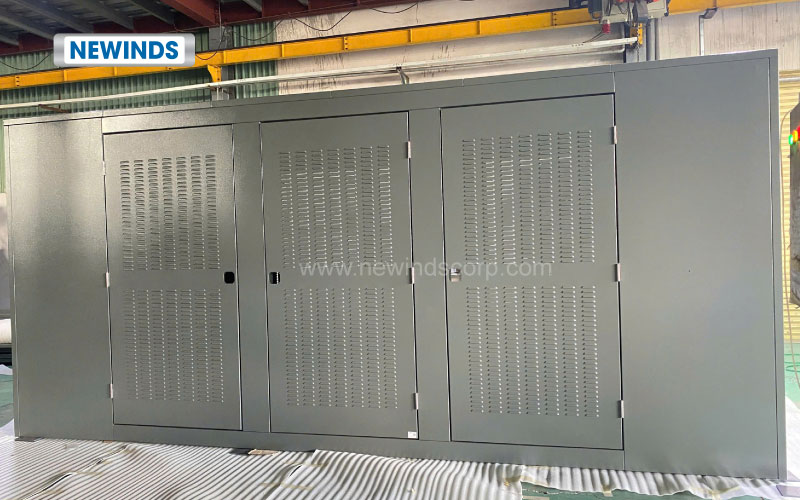
TIPS FOR MAINTAINING POWDER COATED SURFACES
-
Clean with Mild Soap and Warm Water
For dust, dirt, or grease on powder coated surfaces, use mild soap and warm water with these simple steps:
- Dissolve neutral/mild soap in warm water
- Gently wipe the dirty surface using a soft cloth or soft sponge. Avoid vigorous scrubbing or hard brushes
- Rinse thoroughly with clean water and dry with a soft cloth to prevent water spots or scratches
Recommended frequency:
- Indoor items: every 3–6 months
- Outdoor items or in hot, humid environments: every 1–2 months, especially after rainy seasons or heavy road dust buildup
-
Avoid Harsh Chemicals and Solvents
This is one of the most common mistakes that dramatically shortens the life of powder coated surfaces. Strictly avoid:
- Strong acids (concentrated vinegar, strong CLR, hydrofluoric acid)
- Strong alkalis (undiluted Purple Power, concrete cleaners)
- Organic solvents (acetone, brake cleaner, gasoline, paint thinner, strong WD-40 variants)
- Wheel cleaners containing ammonium bifluoride
- Abrasive scouring powders (Comet, Ajax)
These substances degrade the polymer layer, causing fading, cracking, or loss of gloss quickly.
-
Avoid Abrasive Tools
Although powder coated surfaces are quite hard, improper tools can still cause scratches. Do not use:
- Wire brushes or steel wool
- Abrasive pads, sandpaper, or coarse nylon pads
- High-friction polishing machines
Instead, opt for soft microfiber cloths, soft sponges, or soft-bristled brushes.
-
Use Moderate Water Pressure for Washing
For large structures or outdoor items with powder coating, a pressure washer is an efficient way to remove accumulated dirt. However, follow these guidelines:
- Keep pressure moderate (avoid high settings)
- Use a wide spray nozzle (25°–40° fan pattern); never use a 0° pinpoint nozzle
- Maintain a distance of at least 30–45 cm to prevent peeling or damage to the coating
-
Address Special Stains Quickly
Certain contaminants can cause rapid damage if left untreated:
- Bird droppings: Wipe off immediately, as they contain natural acids; if dried, clean gently without aggressive scrubbing.
- Tree sap or tar: Test a mild soap solution with a light mineral oil in a small, inconspicuous area first
- Hard water stains (calcium/lime deposits): Use a pH-neutral specialized cleaner; avoid strong vinegar
-
Perform Regular Inspections and Address Minor Damage Early
Inspect every 3–6 months for cracks, deep scratches, fading spots, or early rust signs. In humid, coastal, or high-dust environments, check more frequently. Early treatment of small issues prevents widespread corrosion.
Maintaining powder coated surfaces is neither complicated nor expensive. By following the principle of “gentle cleaning – avoid harsh chemicals – address issues promptly,” you can keep your powder coated products looking as good as new for many years.
If you need high-quality powder coating services, offering tailored metal solutions that meet international standards.
Contact Newinds:
Email: sales@newindscorp.com
Phone/Whatsapp/Zalo: Ann Yen +84 868 482 038