
Researching and evaluating a steel fabrication factory is a critical step in selecting the right partner for cooperation. This evaluation process should be conducted on-site at the factory to gain a thorough and accurate understanding of its capabilities. So, what are the key factors that need to be assessed, and in what sequence should the evaluation be carried out? Newinds will answer all of these questions in the article below.
STEPS TO EVALUATION STEEL FABRICATION FACTORY
-
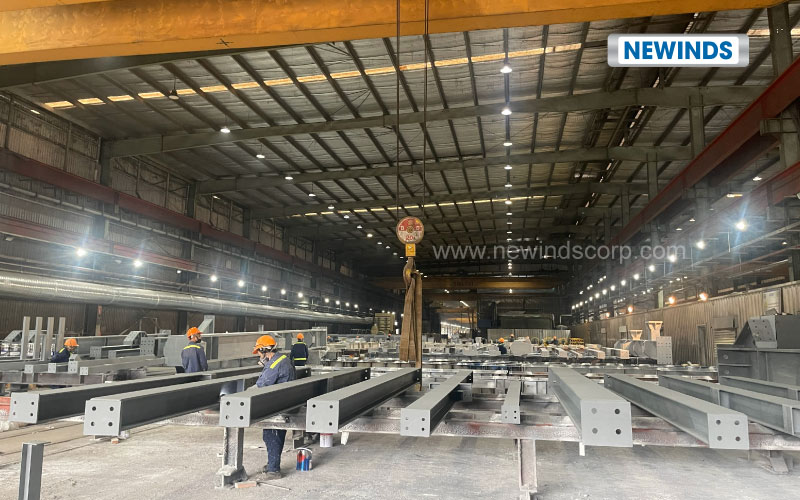
Prequalification & Background Check
– Verify business licenses, certifications (ISO 9001, ISO 14001, industry‑specific).
– Review company history, ownership, and reputation.
– Assess financial stability to ensure long‑term viability.
Key Questions To Ask:
- What certifications does the factory currently hold? (ISO 9001, ISO 14001, ISO 45001, etc.)
- Does the steel fabrication factory have industry-specific or regional certifications? (AWS, EN, ASTM, AS/NZS, welder qualifications, etc.)
- Can you provide a list of key customers or reference partners?
-
Quality Management System Review
– Audit quality control processes (incoming inspection, in‑process checks, final testing).
– Review documentation: SOPs, corrective action records, calibration logs.
– Check compliance with international standards (e.g., CE, FDA, RoHS).
Key Questions To Ask:
- What quality control model does the factory apply? (IQC – IPQC – FQC)
- Are there checklists or standards for incoming material inspection?
- What criteria are used to inspect finished products before shipment?
- Is there documented evidence of compliance? (test reports, declarations, audit reports)
-
Production Capacity & Capability
– Evaluate production lines, machinery, and technology adoption.
– Assess scalability for future demand increases.
– Review workforce skills, training programs, and labor practices.
Key Questions To Ask:
- What are the main production machines currently in use?
- What is the steel fabrication factory’s designed production capacity (tons per month)?
- How many production shifts are operated per day? Is overtime or additional shifts possible if required?
- How many direct production workers are employed?
- Do welders hold valid certifications? (AWS, ISO, EN, etc.)
-
Supply Chain & Logistics Reliability
– Assess raw material sourcing and supplier relationships.
– Review inventory management and warehousing practices.
– Evaluate logistics infrastructure and ability to meet delivery schedules.
Key Questions To Ask:
- Who are the main suppliers for raw materials (steel plates, structural steel, pipes, stainless steel, etc.)?
- What is the average lead time for each type of raw material?
- Does the factory have export experience? Which markets have been served?
- Can the steel fabrication factory provide a delivery schedule and order progress tracking?
- In case of delivery delays, what is the procedure for handling and notifying customers?
-
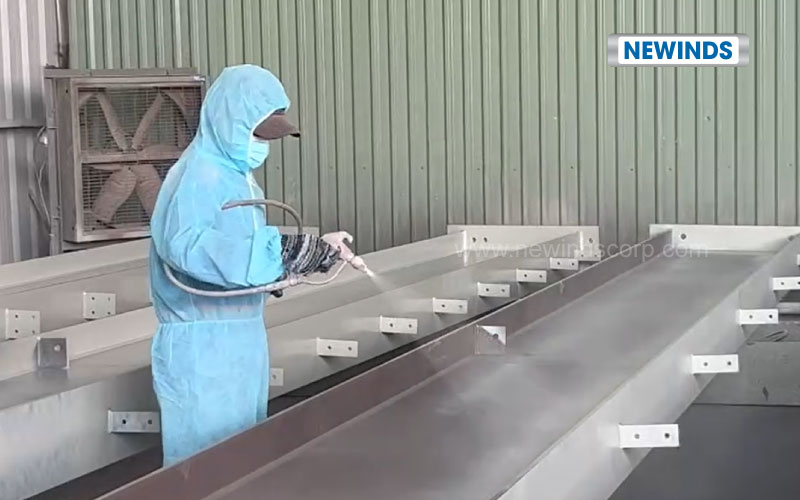
Product Quality Verification
– Request product samples or pilot runs.
– Conduct lab testing, performance validation, and defect analysis.
– Compare results against specifications and competitor benchmarks.
Key Questions To Ask:
- Can the steel fabrication factory provide product samples similar to the intended order?
- What is the lead time for sample preparation?
- What tests are applied to the products? (dimensional checks, mechanical properties, weld quality, durability, etc.)
- Are detailed test reports available?
- Are the tests conducted in-house or by third-party laboratories?
- What is the typical response time for corrective actions and improvements after defects are identified?
-
Compliance & Sustainability
– Audit environmental practices (waste management, emissions, energy use).
– Verify ethical labor practices and regulatory compliance.
– Align with ESG (Environmental, Social, Governance) requirements.
Key Questions To Ask:
- Are exhaust and emission treatment systems (for welding, cutting, painting, etc.) installed and properly operated?
- Does the factory have a written ESG policy or sustainability commitment?
- Is the factory ready to undergo ESG audits upon customer request?
-
HSE & Risk Management
– Review workplace HSE programs and incident records in steel fabrication factory.
– Assess risk management strategies (fire safety, equipment maintenance, emergency response).
– Ensure compliance with occupational health and safety standards.
Key Questions To Ask:
- Are employees provided with HSE training upon onboarding and on a regular basis?
- Is the fire protection system fully operational, and are employees trained periodically?
- Does the factory comply with international occupational health and safety standards? (ISO 45001 or equivalent)
-
Communication & Responsiveness
– Evaluate responsiveness to inquiries and problem resolution.
– Review reporting systems (production updates, quality reports).
– Assess collaboration culture and transparency.
–> Scoring & Approval
– Use a weighted evaluation matrix (e.g., Quality 30%, Delivery 25%, Cost 20%, Compliance 15%, Service 10%).
Key Questions To Ask:
- What is the average response time for emails or technical inquiries?
- Does the steel fabrication factory provide regular production progress reports?
- Are quality reports provided for each shipment or batch?
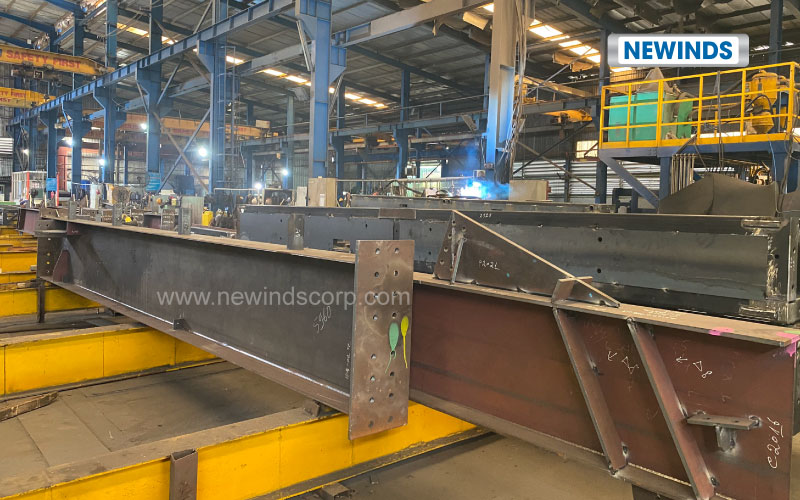
TRIAL ORDERS / PILOT PROJECTS (PRE‑PO EVALUATION)
-
Place a Small Test Order
– Issue a limited purchase order (pilot batch) with clearly defined scope.
– Include detailed specifications, standards, and quality requirements.
– Ensure terms mirror real production conditions (materials, lead times, packaging).
– Purpose: Simulate actual working relationship without full-scale risk.
-
Monitor Quality Performance
– Materials: Verify raw material sources, certificates of analysis, and compliance with standards.
– Specifications & Standards: Check adherence to technical drawings, tolerances, and industry codes.
– Testing & Inspection: Conduct incoming inspections, lab tests, and functional performance checks.
– Manufacturing Reports: Review process documentation, production logs, and quality control records.
– Packaging & Labeling: Assess durability, accuracy of labeling, and compliance with shipping requirements.
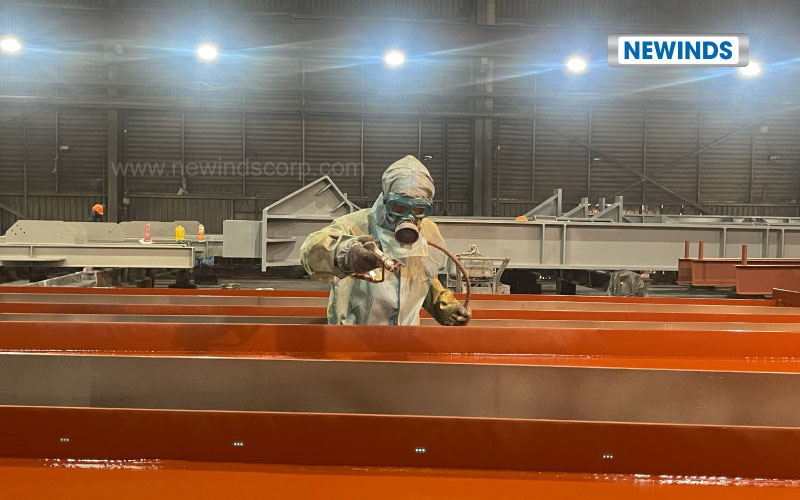
KEY NOTES TO EVALUATE STEEL FABRICATION FACTORY
- ISO, AWS, EN, CE, and other certifications must be valid, up to date, and actively implemented in actual production, not just held for documentation purposes.
- In addition to evaluating design capacity, it is essential to assess actual production capability based on the number of production shifts, the real operating status of machinery (in operation versus display only), and the current production schedule.
- A factory tour is necessary to observe workshop organization, production flow, workforce discipline, machine conditions, and welding quality firsthand.
- The steel fabrication factory should be benchmarked against multiple competitors to obtain an objective, industry-standard perspective, rather than being evaluated in isolation.
- For first-time cooperation, it is recommended to start with a sample or pilot order, gradually increase order volumes, and conduct performance evaluations after each delivery.
As a reputable steel fabrication factory in Vietnam, Newinds is always ready to arrange factory tours to help clients gain a detailed understanding of our facilities. We provide complete certifications and relevant documentation, ensuring transparency and giving you full confidence when choosing Newinds as your steel fabrication partner.
If you need a high-quality steel fabrication factory offering tailored metal solutions that meet international standards.
Contact Newinds:
Email: sales@newindscorp.com
Phone/Whatsapp/Zalo: Ann Yen +84 868 482 038