
Stainless steel pipe clamps ensure your pipes are securely and precisely installed for seamless operation. However, with the wide variety of pipe clamps available, choosing the most suitable one for your project can be challenging. In this article, we’ll guide you through the differences and help you select the optimal pipe clamps for your upcoming project.
WHAT ARE STAINLESS STEEL PIPE CLAMPS?
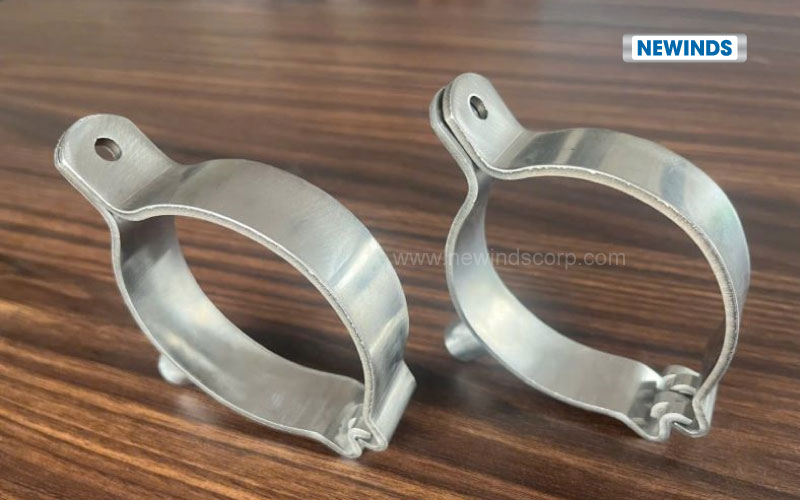
Stainless steel pipe clamps are components made from stainless steel designed to securely fasten pipes to walls, ceilings, or other surfaces. These devices are widely used in industries such as plumbing, oil and gas, food processing, HVAC, and chemicals.
For harsh environments, Newinds recommends stainless steel pipe clamps to ensure durability, hygiene, and safety during use.
HOW DO PIPE CLAMPS WORK?
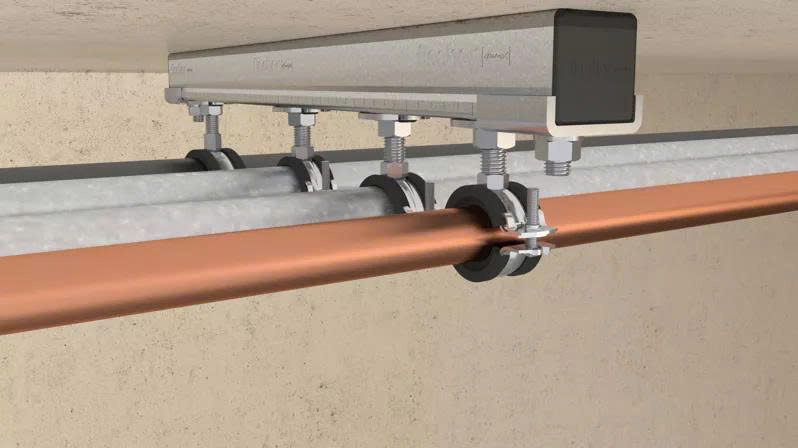
Pipe clamps work by encircling the pipe and anchoring it to a fixed surface. Typically, a clamp consists of two halves bolted together, creating a firm grip around the pipe. This design ensures the pipe remains securely in place while allowing slight adjustments during installation. Some clamps, such as heavy-duty pipe clamps, are reinforced to withstand higher loads or accommodate larger pipes, making them suitable for demanding applications.
WHAT ARE THE COMMON TYPES OF PIPE CLAMPS?
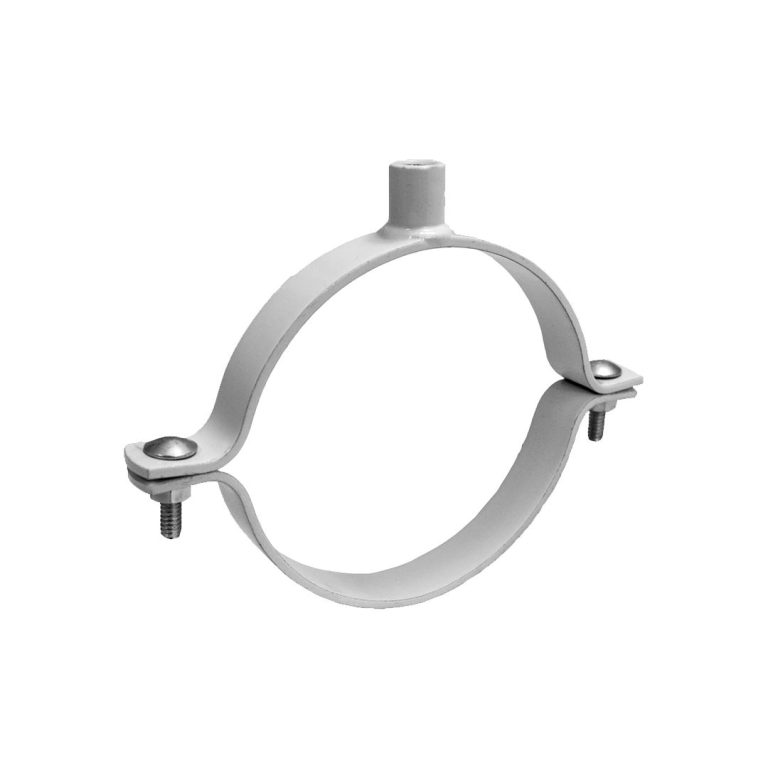
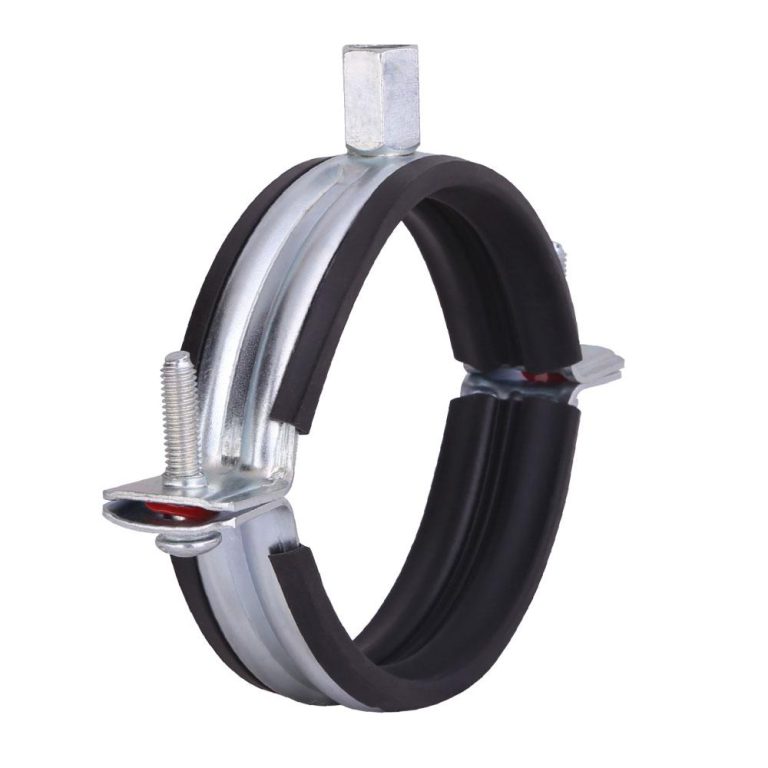
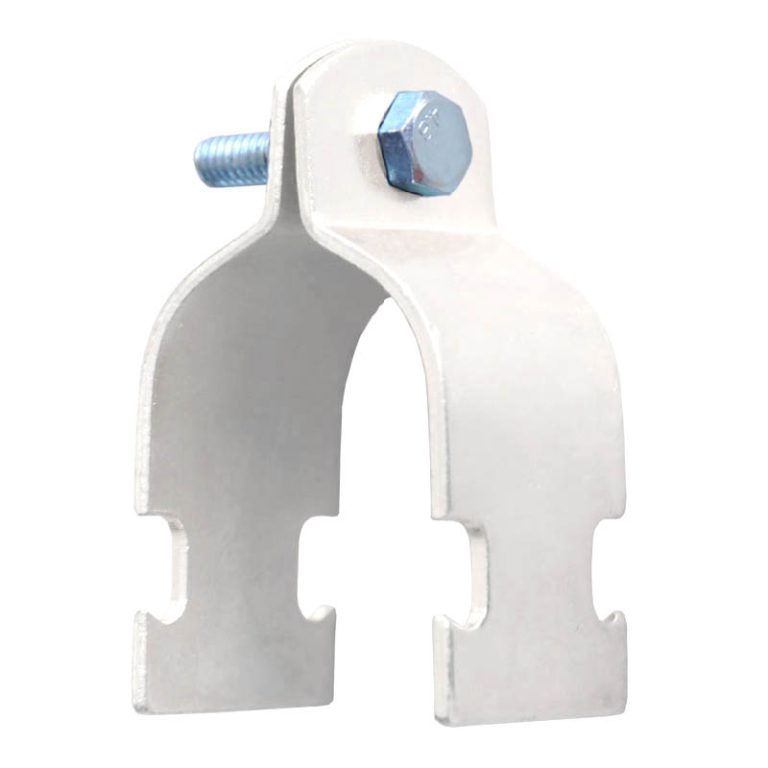
Various types of pipe clamps are available on the market, each designed for specific applications. Commonly used types include:
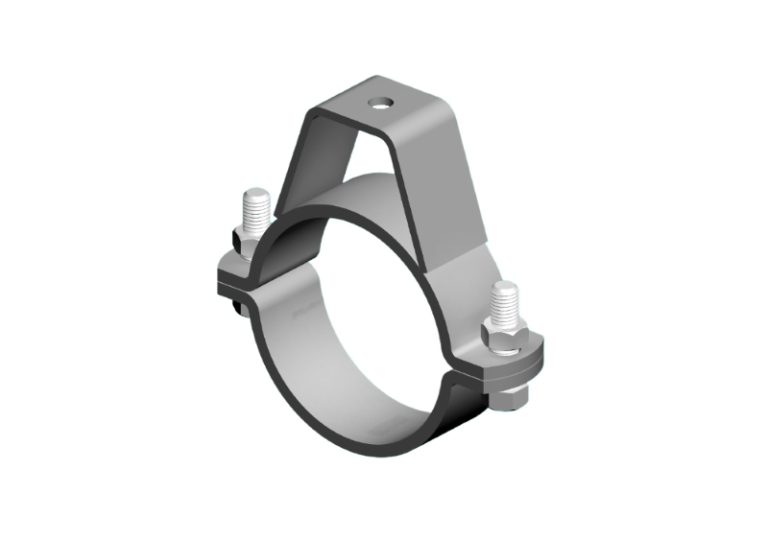
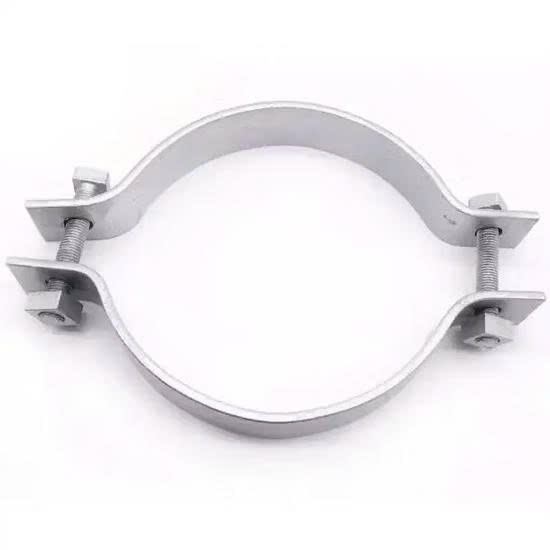
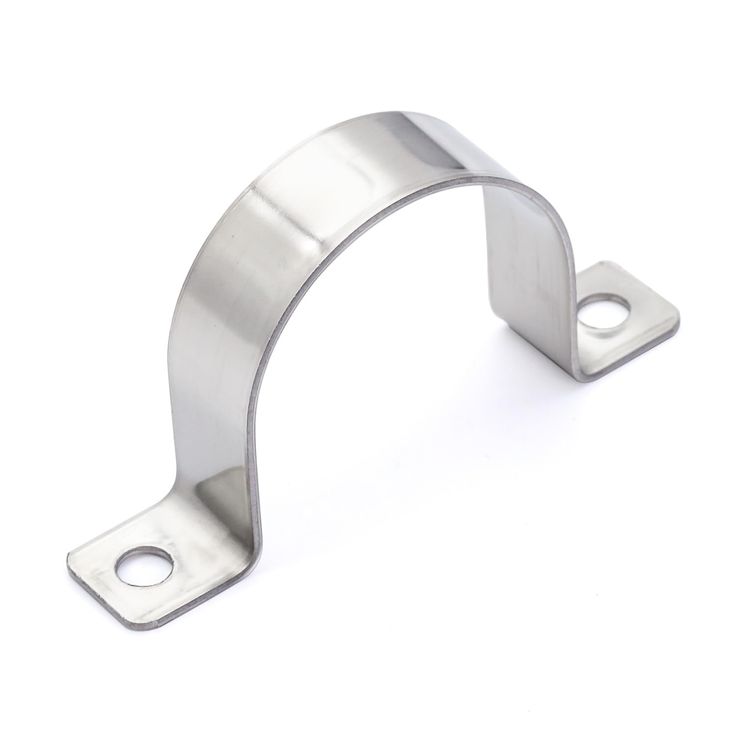
COMPARISON OF CARBON STEEL, GALVANIZED, AND STAINLESS STEEL PIPE CLAMPS
| Criteria | Carbon Steel | Hot dip Galvanized Steel | Stainless Steel |
| Corrosion Resistance | Poor, prone to rust in harsh environments | Better due to zinc coating, but coating may wear over time. | Excellent, superior resistance to rust and corrosion. |
| Durability | High, but requires regular maintenance | High, but less durable than stainless steel | Very high |
| Cost | Lowest | Moderate | Highest |
| Applications | Indoor applications with low moisture exposure. | Outdoor applications with moderate weather exposure. | Harsh environments (e.g., high humidity, chemicals) |
| Maintenance | Requires regular maintenance (painting or replacement) | Requires periodic checks to ensure zinc coating integrity | Minimal maintenance required |
| Aesthetics | Low due to rust susceptibility | Shiny appearance initially, but may fade | Shiny, durable, and aesthetically pleasing |
| Load Capacity | Suitable for light to medium loads | Suitable for medium loads | Suitable for light to heavy loads |
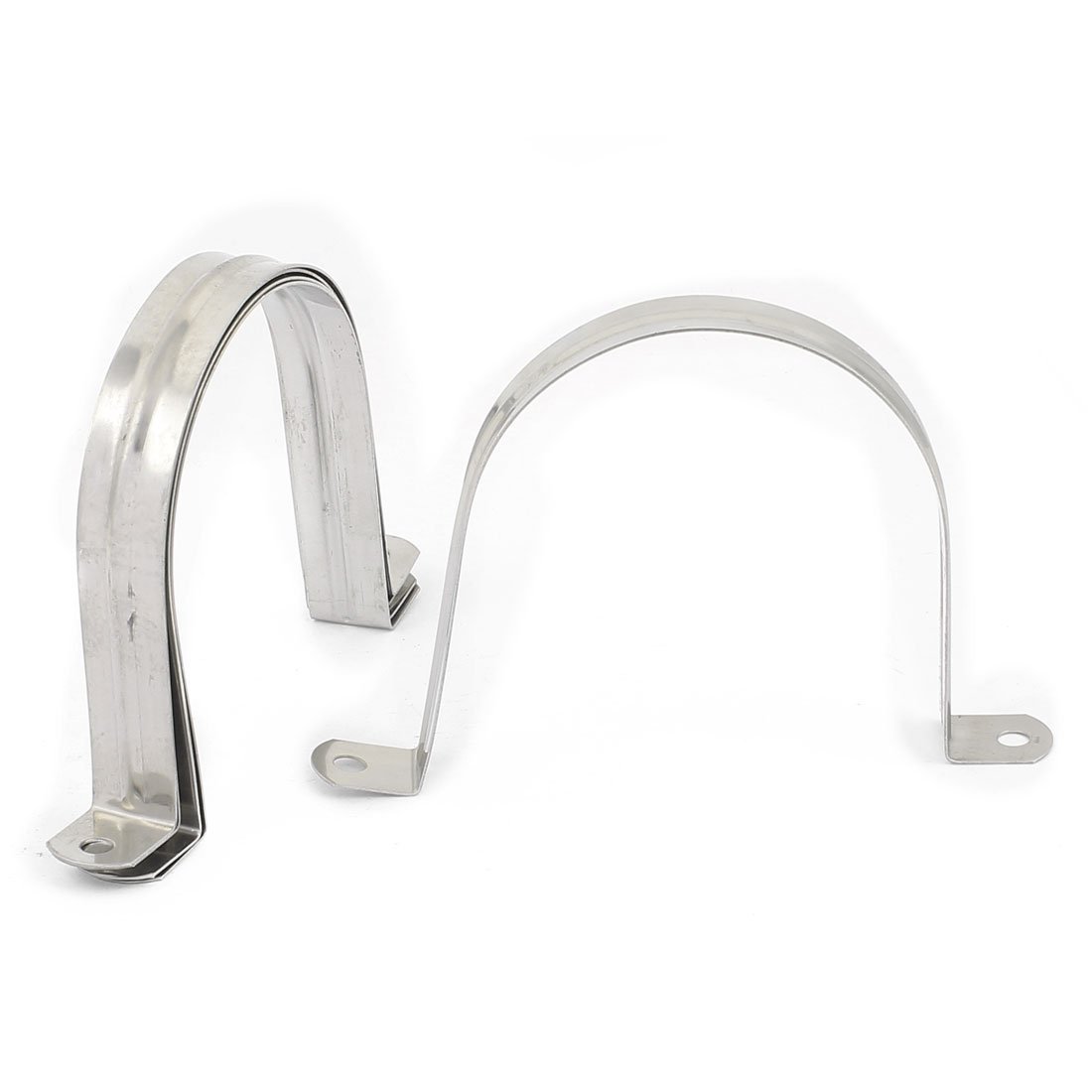
ADVANTAGES OF PIPE CLAMPS
- Strong and Secure Grip: Pipe clamps provide a firm hold on pipes, preventing movement or vibration during operation.
- Durability: Made from robust materials such as stainless steel, galvanized steel, or heavy-duty plastic, they resist corrosion and wear.
- Easy Installation: Simple design allows quick mounting and adjustment, saving time and labor costs.
- Versatility: Available in multiple sizes and types, suitable for different pipe diameters and materials.
- Cost-Effective: Compared to other pipe support systems, clamps are affordable while still offering reliable performance.
- Noise and Vibration Reduction: Many pipe clamps include rubber linings or cushioning that minimize noise and vibration.
- Safety Enhancement: By securing pipes firmly, clamps reduce risks of leaks, accidents, or structural damage.
APPLICATIONS OF PIPE CLAMPS
- Plumbing Systems: Used to fix water supply and drainage pipes in residential, commercial, and industrial buildings.
- HVAC Installations: Essential for securing air-conditioning ducts and refrigeration pipelines.
- Oil & Gas Industry: Applied in pipelines carrying fuel, gas, or chemicals to ensure stability and safety.
- Construction Projects: Widely used in scaffolding and temporary pipe structures.
- Automotive and Machinery: Helps organize hydraulic, pneumatic, and fuel lines in vehicles and equipment.
- Electrical Conduits: Supports cable conduits and wiring systems to keep them aligned and protected.
- Marine and Shipbuilding: Resistant pipe clamps are used to secure pipes in ships where vibration and corrosion are common.
FAQS ABOUT PIPE CLAMPS
-
What is the best material for pipe clamps?
The best material depends on the application. For environments with high humidity or chemicals, stainless steel pipe clamps are ideal due to their corrosion resistance. For indoor settings with low corrosion risk, carbon steel or galvanized clamps may suffice.
-
How do I choose the right size for a pipe clamp?
Measure the outer diameter of the pipe and select a clamp that matches this size. Alternatively, contact a reputable pipe clamps supplier for a sizing chart and expert advice to ensure a perfect fit.
-
How do I install a pipe clamp?
To properly install a stainless steel pipe clamp, measure and mark the pipe’s fixing position, drill holes, attach the lower half of the clamp to the surface, place the pipe in position, attach the upper half, and tighten the bolts securely.
-
What are common mistakes to avoid when using pipe clamps?
Common mistakes include selecting the wrong size, overtightening and deforming the pipe, or neglecting periodic inspections, which can lead to loosening.
-
Are pipe clamps the same as pipe fasteners?
Pipe clamps are devices that secure pipes in place, while pipe fasteners refer to bolts, screws, or other fittings used to connect or secure pipes.
CHOOSING A RELIABLE STEEL PIPE CLAMP SUPPLIER
Newinds offers a wide range of pipe clamps, customized to meet your specific technical requirements. We provide pipe clamps in various sizes and materials, with stainless steel pipe clamps being a popular choice for many clients.
With global experience in fabricated metal works, we deliver high-quality products at competitive prices, fully compliant with AS/NZS, EU, US standards and more.
If you need a high-quality pipe clamps supplier offering tailored metal solutions that meet international standards.
Contact Newinds:
Email: sales@newindscorp.com
Phone/Whatsapp/Zalo: Ann Yen +84 868 482 038