
Custom stainless steel fabrication has become an outstanding solution thanks to its durability, high corrosion resistance, and aesthetic appeal. Depending on the type of project, functionality, and usage environment, it’s important to choose the appropriate type of stainless steel.
STAINLESS STEEL FABRICATION
Stainless steel, also known as inox, is an iron-based alloy composed mainly of iron, carbon, and at least 10.5% chromium. This combination forms a protective surface layer that provides excellent resistance to rust and corrosion. Besides these main elements may also include other alloys like nickel, molybdenum, and nitrogen, which enhance properties such as flexible formability, durability in harsh environments, and high aesthetic value.
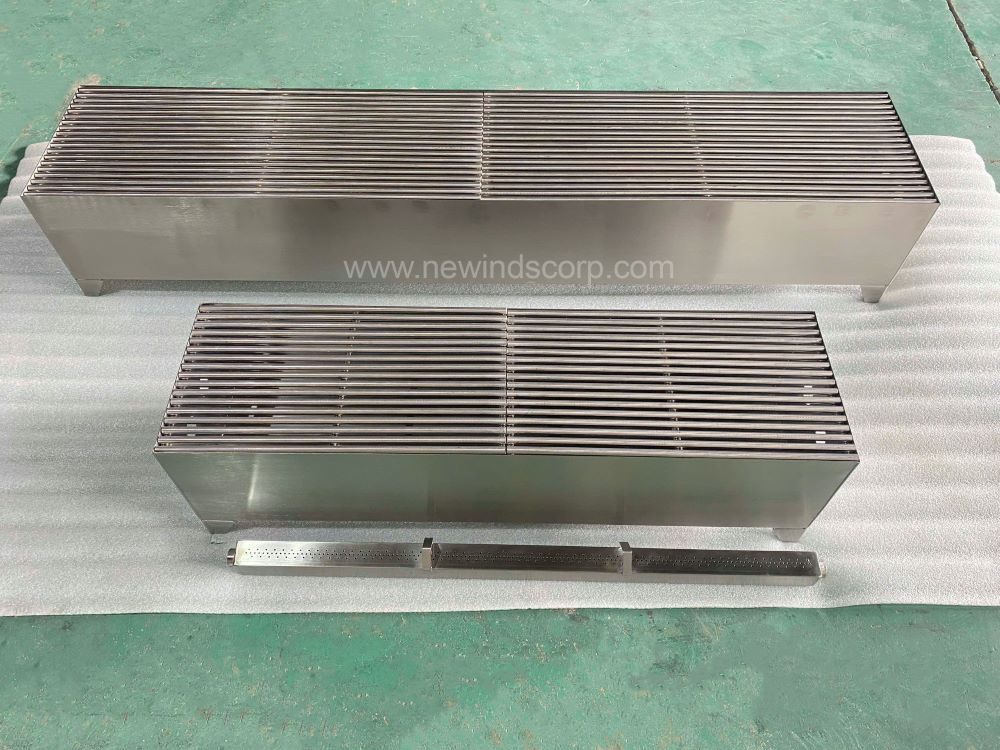
TYPES OF STAINLESS STEEL
Currently, there are more than 100 types of stainless steel, most of which are divided into 5 main groups:
-
Austenitic
This is the most popular and widely chosen type due to its high chromium and nickel content, which provides excellent corrosion resistance and allows for various shapes and custom dimensions. Common grades include 304 and 316.
-
Ferritic
Ferritic steel offers good corrosion and oxidation resistance, but it is more difficult to form than austenitic steel. It contains chromium, but it is magnetic due to lower nickel levels and carbon content below 0.1%. The well-known grade in this category is 430.
-
Martensitic
Martensitic is similar to ferritic but has a higher carbon content around 1%. This difference provides greater hardness and strength compared to other types. Many stainless steel components are used in the production of knives, scissors, and other tools that demand high hardness.
-
Duplex
Duplex combines properties from both austenitic and ferritic steel. This combination gives it high corrosion resistance, making it suitable for industries exposed to harsh environmental conditions, like the oil and gas sector.
-
Precipitation-Hardening
Precipitation-hardening stainless steel is created through heat treatment, solution treatment, and quenching to increase strength and achieve desired characteristics. This type has both the superior corrosion resistance of austenitic and the strength of martensitic.
COMMON STAINLESS STEEL GRADES USED IN FABRICATION
201 Stainless Steel
Grade 201 stainless steel belongs to the austenitic family. Due to its lower nickel content, it uses higher levels of manganese and nitrogen to help maintain its mechanical properties and austenitic structure. The reduced nickel content generally makes SS 201 more cost-effective than SS 304. However, it offers lower corrosion resistance and is less suitable for applications involving highly corrosive environments.
Grade 304 Stainless Steel
Grade 304 is one of the most widely used stainless steel grades in stainless steel fabrication due to its strength, aesthetic appeal, cost-effectiveness, and widespread availability. Its typical composition includes approximately 18% chromium and 8% nickel, which is why it is commonly referred to as 18/8 stainless steel.
With its good corrosion resistance, strength, and versatility in forming, Grade 304 is widely used in food-processing equipment, kitchen equipment, storage tanks, industrial enclosures, and various other stainless steel components and structures.
Grade 316 Stainless Steel
Grade 316 stainless steel contains approximately 2–3% molybdenum, which significantly improves its resistance to pitting and crevice corrosion, particularly in chloride-containing environments. Due to its enhanced corrosion resistance, SS 316 generally costs more than SS 304. However, its availability may be lower than that of SS 304, depending on the supplier, product form, and required specifications.
Grade 430 Stainless Steel
Grade 430 belongs to the ferritic stainless steel family and typically contains 16–18% chromium but very little nickel, generally less than 0.75%. This composition makes SS 430 a cost-effective material option for suitable applications. However, its corrosion resistance is generally lower than that of SS 304 and SS 316, making it less suitable for applications requiring high corrosion resistance, particularly in aggressive environments.
VIETNAMESE STAINLESS STEEL FABRICATORS
Vietnam’s approach to stainless steel production combines age-old techniques with cutting-edge technology. Skilled artisans leverage advanced machinery like Computer Numerical Control (CNC) systems and laser cutters to produce products meeting global standards.
Key Techniques Used in Vietnam
- CNC Machining: Recognized for its precision and efficiency, CNC machining is extensively used for intricate and detailed designs.
- Laser Cutting: Leveraging laser technology allows fabricators to achieve intricate patterns and clean cuts, ensuring high-quality finishes.
- Robotic Welding: Vietnamese fabricators utilize robotic welding to attain consistent and durable welds, showcasing the country’s embrace of automation.
Benefits of Vietnamese Stainless Steel Fabrication
- Quality: Products are manufactured to meet rigorous international standards.
- Innovation: Vietnamese stainless steel fabricators are constantly adopting new technologies to improve their craft.
- Cost-Effectiveness: Competitive pricing without compromising on quality.
- Flexibility: Capable of handling custom orders tailored to specific needs.
Applications
- Construction: From structural elements to decorative features.
- Automotive: Durable stainless steel components for vehicles of all types.
- Medical: Hygienic and sterile equipment for healthcare settings.
- Consumer Goods: High-end appliances and kitchenware.
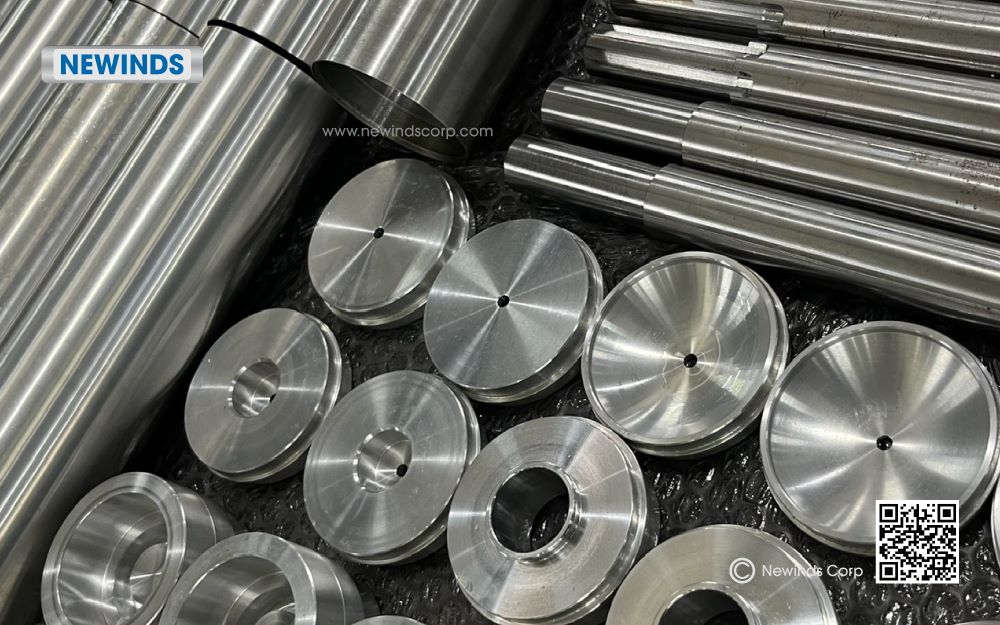
Vietnam’s dedication to craftsmanship, combined with its strategic location in Southeast Asia, makes it an ideal partner for your stainless steel fabrication needs. With a growing reputation for excellence and a commitment to sustainable practices, Vietnam is poised to become a leader in the steel industry.
👉🏼 Stainless steel fabrication in Vietnam is more than just manufacturing; it’s a testament to the country’s industrial prowess and cultural heritage. As Vietnam continues to invest in its metalworking capabilities, it stands ready to meet the demands of a global clientele seeking quality, precision, and artistry in stainless steel fabrication.
Contact sales@newindscorp.com today to discuss your requirements!
- Email: sales@newindscorp.com
Phone/Whatsapp/Zalo: Ann Yen +84 344 644 077