
Many people, including new clients and even some industry professionals, mistakenly believe that structural steel and steel structure refer to the same thing. Understanding the precise difference is essential for clear communication with contractors, accurately advising investors, specifying products for fabricators, and collaborating effectively with technical partners.
WHAT IS STRUCTURAL STEEL?
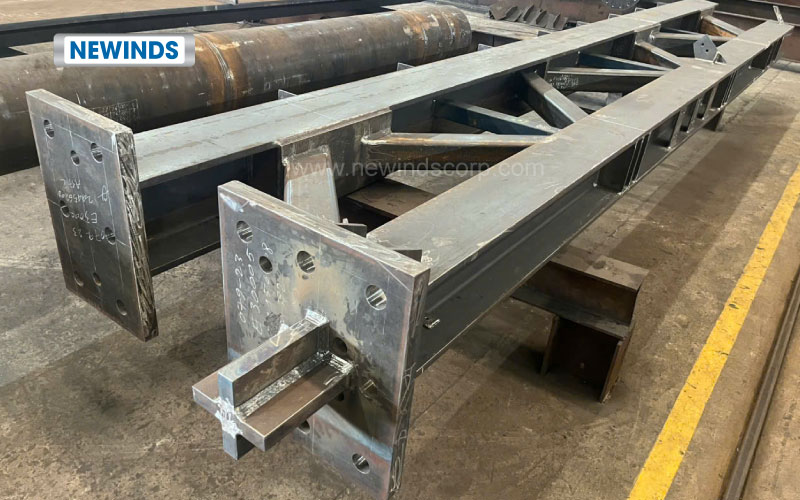
Structural steel is the raw steel material specifically designed and produced for use in construction. It is the basic input material before it is processed and erected on-site to form a complete building or structure. This type of steel offers high strength, excellent rigidity, and superior load-bearing capacity. It is typically made from carbon steel with added alloys to enhance hardness and performance. These grades provide yield strengths ranging from 195 to 460 MPa.
Common grades include:
- In the US: A36, A572, A992
- In Europe: S275, S355
Common standard shapes:
- Beams (H-beam, I-beam)
- Steel plates
- Angles
- Hollow sections (SHS, RHS, CHS)
Key characteristics
- It is the raw input material
- Available in standardized shapes and dimensions
- Manufactured according to international standards such as:
- ASTM (USA)
- EN (Europe)
- JIS (Japan)
- AS/NZS (Australia and New Zealand)
- Has clearly defined mechanical properties: yield strength, tensile strength, elongation.
→ In summary, structural steel is the material used to create structures — it is not the finished building or framework itself.
WHAT IS STEEL STRUCTURE?
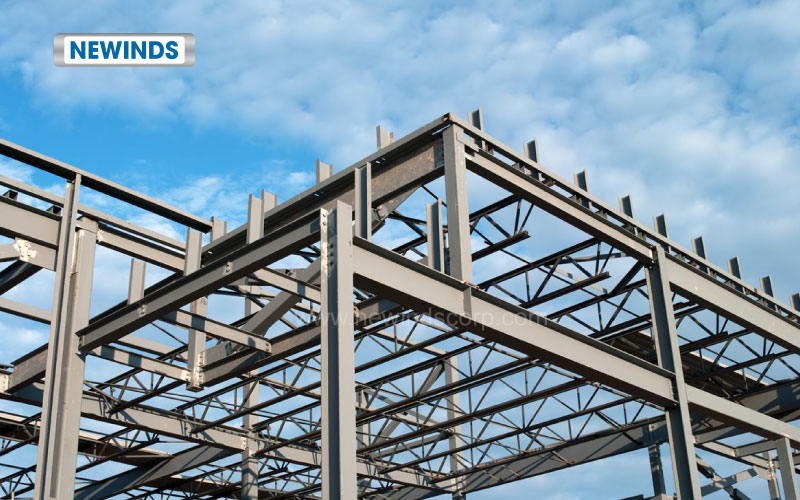
Steel structure refers to the complete framework or finished construction made primarily of steel. It is a load-bearing system formed by assembling various components such as beams, columns, trusses, roofing, walls, and connections to create a fully functional building or infrastructure project.
A steel structure is created through the following processes:
- Design
- Fabrication (cutting, welding, drilling, etc.)
- Erection (on-site assembly)
Key characteristics of Steel Structure
- It is the final completed framework or building
- Composed of multiple interconnected steel components (made from structural steel)
- Designed according to structural engineering standards (e.g., AISC, Eurocode, TCVN…)
Examples include:
- Pre-engineered steel buildings (PEB)
- Industrial warehouses and factories
- Multi-story building frames
- Steel bridges
- Prefabricated industrial facilities
→ In summary, steel structure is the finished product — a complete construction system built using structural steel and related components.
COMPARISON TABLE: STRUCTURAL STEEL VS STEEL STRUCTURE
These two concepts go hand in hand and complement each other to form a complete structure.
| Criterion | Structural Steel | Steel Structure |
| Nature | Raw Material | Complete framework/ building |
| Role | Input material | Complete building |
| Form | Beams, plates, angles, tubes, etc. | Buildings, warehouse, bridges, frames. |
| Unit of Measurement | Kilograms, tons | Project, system, or complete structure |
| Applicable Standards | ASTM, EN, JIS, etc. (material standards) | AISC, Eurocode, TCVN, etc. (design standards) |
| Stage of Use | Before fabrication | After fabrication and erection |
RELATIONSHIP BETWEEN STRUCTURAL STEEL AND STEEL STRUCTURE
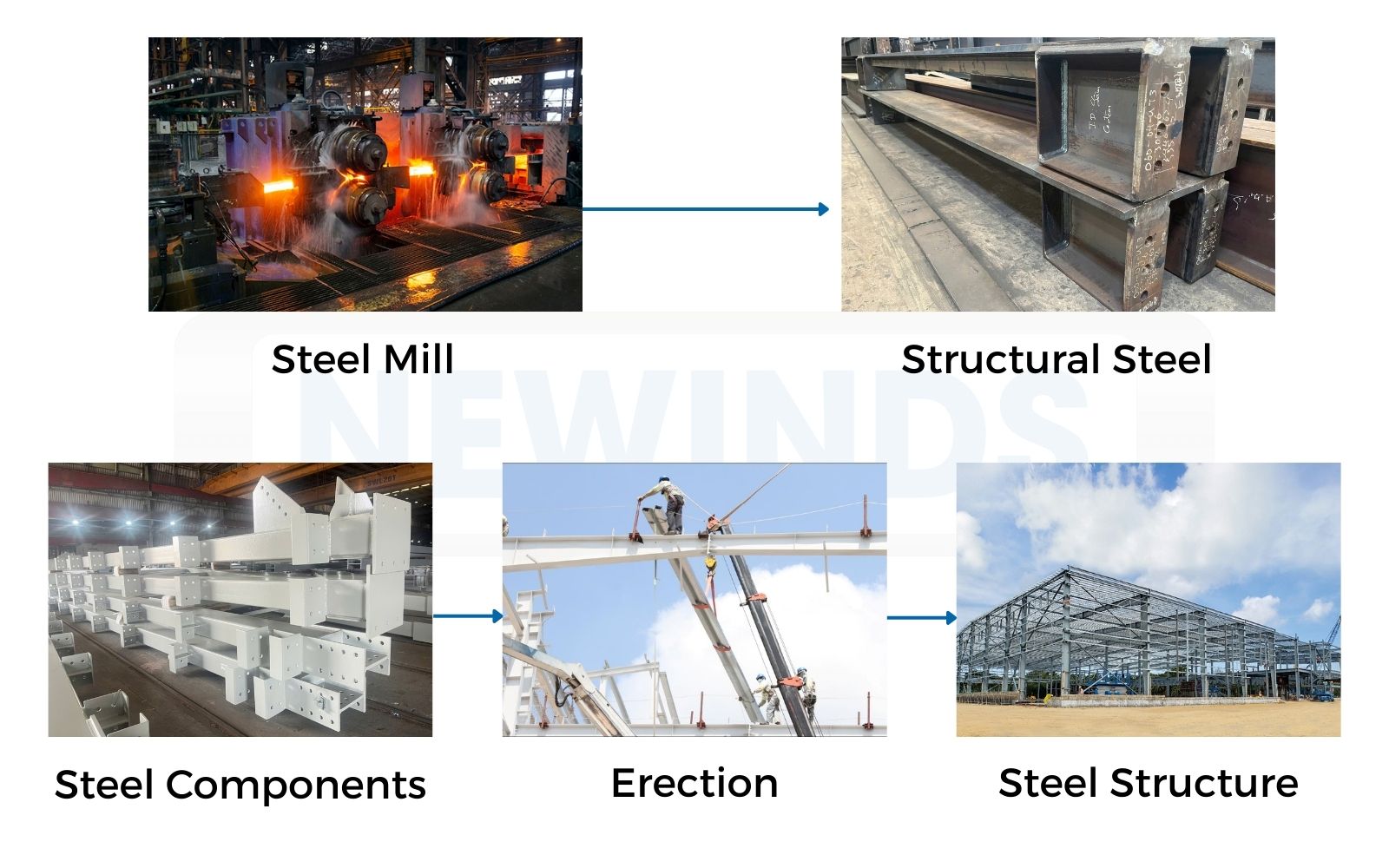
These two concepts are closely interconnected and complementary. They form an essential chain in the construction process:
WHEN TO USE WHICH TERM IN PROFESSIONAL COMMUNICATION?
Use structural steel when:
- Discussing the raw material
- Requesting quotes for beams, plates, or specific sections
- Focusing on steel grades, standards, thickness, or certifications
Use steel structure when:
Talking about the overall building, project, or construction solution
Requesting a full turnkey quote for a warehouse, factory, or industrial building
Working with general contractors, designers, or investors
Key takeaway:
Structural steel = raw material/input steel
Steel structure = completely finished construction/building
Distinguishing clearly between these two concepts not only ensures professional communication but also guarantees that technical requirements are accurately conveyed among all parties involved: investors, design consultants, general contractors, and fabrication units.
If you are looking for a reliable partner specializing in high-quality custom structural steel fabrication, Newinds is the trusted choice you can count on:
- Precise fabrication according to drawings using structural steel that meets international standards (ASTM, JIS, EN)
- Advanced processing capabilities: laser cutting, punching, CO2/MIG/TIG welding, powder coating, hot-dip galvanizing
- Specialized in producing complex components for pre-engineered buildings (PEB), industrial steel structures, arched roof frames, industrial steel staircases, scaffolding, and non-standard structures…
- Experienced engineering team with strict quality control processes certified to ISO 9001
- On-time delivery and optional on-site erection support
Newinds turns your structural steel drawings into perfect, durable, and cost-optimized steel structures.
Contact Newinds:
Email: sales@newindscorp.com
Phone/Whatsapp/Zalo: Ann Yen +84 868 482 038